
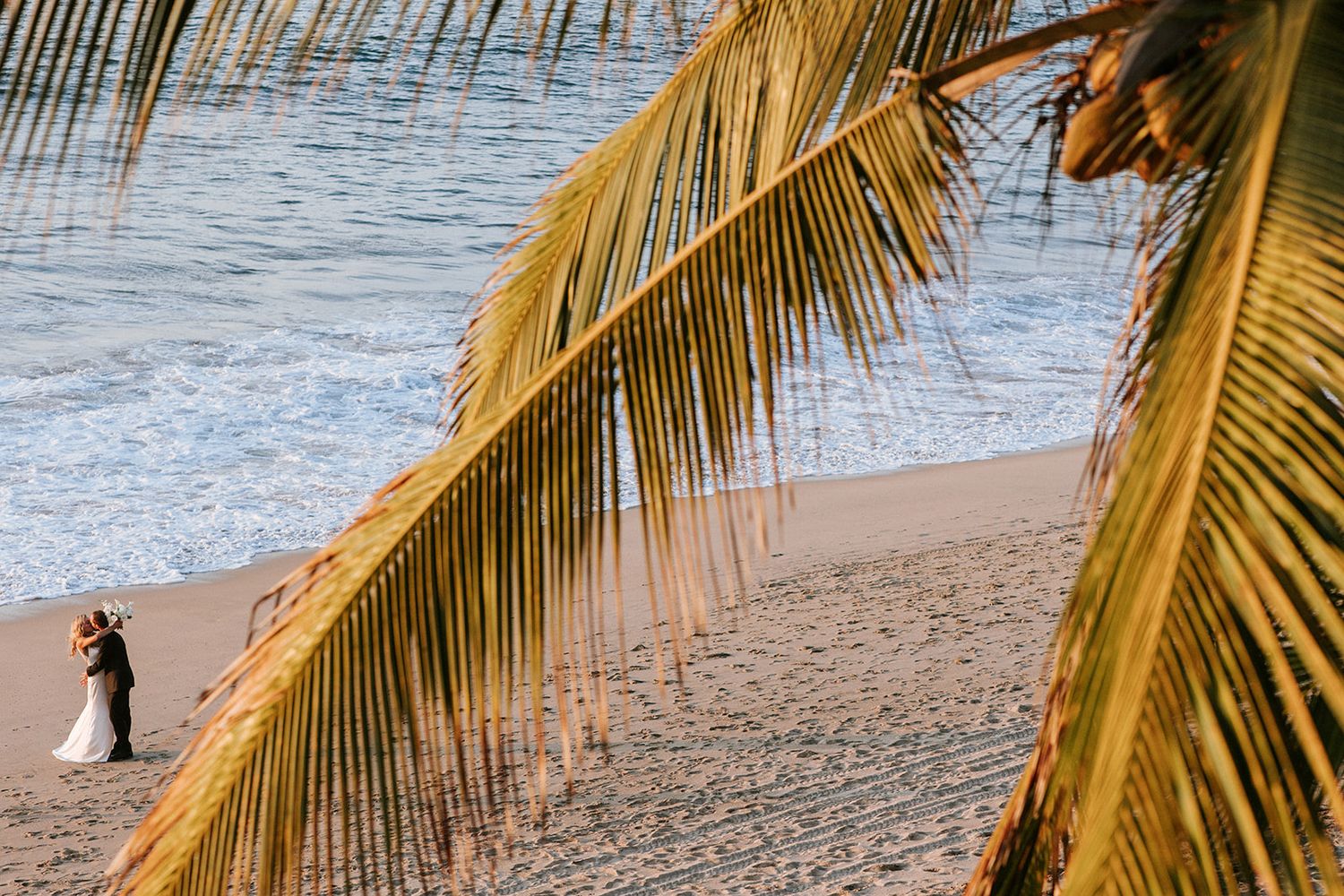
Choose the experience before the property
Choosing among Puerto Vallarta wedding venues is not a beauty contest.
The venue you choose affects far more than the view behind the ceremony. It determines how easily your guests move through the day, how private the celebration feels, what happens when the weather changes, how much production you need to bring in, and how much actual time you get to spend celebrating instead of moving from one location to another.
After photographing weddings across Puerto Vallarta, Riviera Nayarit and Punta Mita, one thing becomes very clear: the venue that looks best in a promotional gallery is not always the venue that creates the best wedding-day experience.
This guide is designed to help you compare resorts, private villas, boutique hotels and remote-access venues based on how they actually function on a wedding day—not simply how they photograph when they are empty.
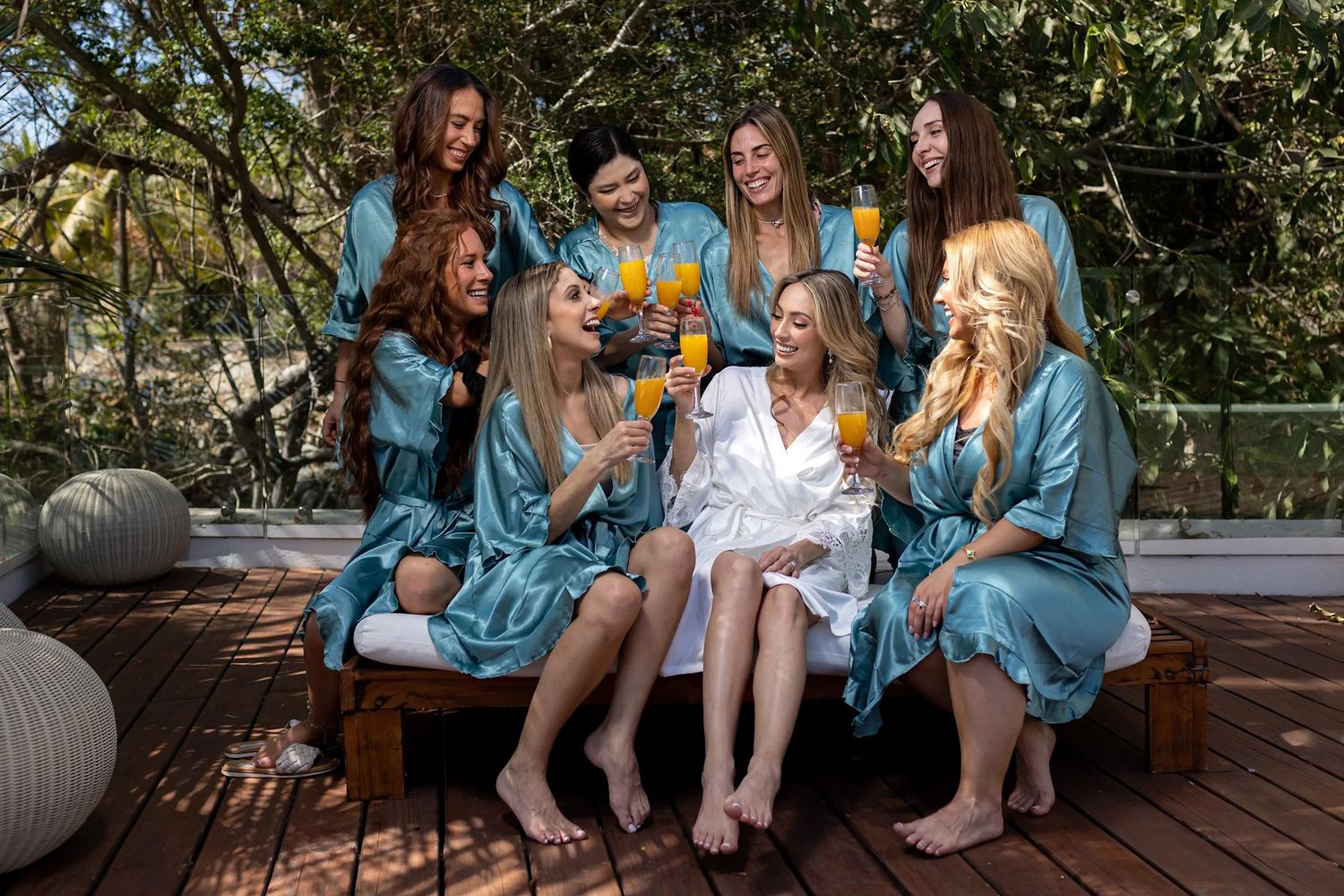
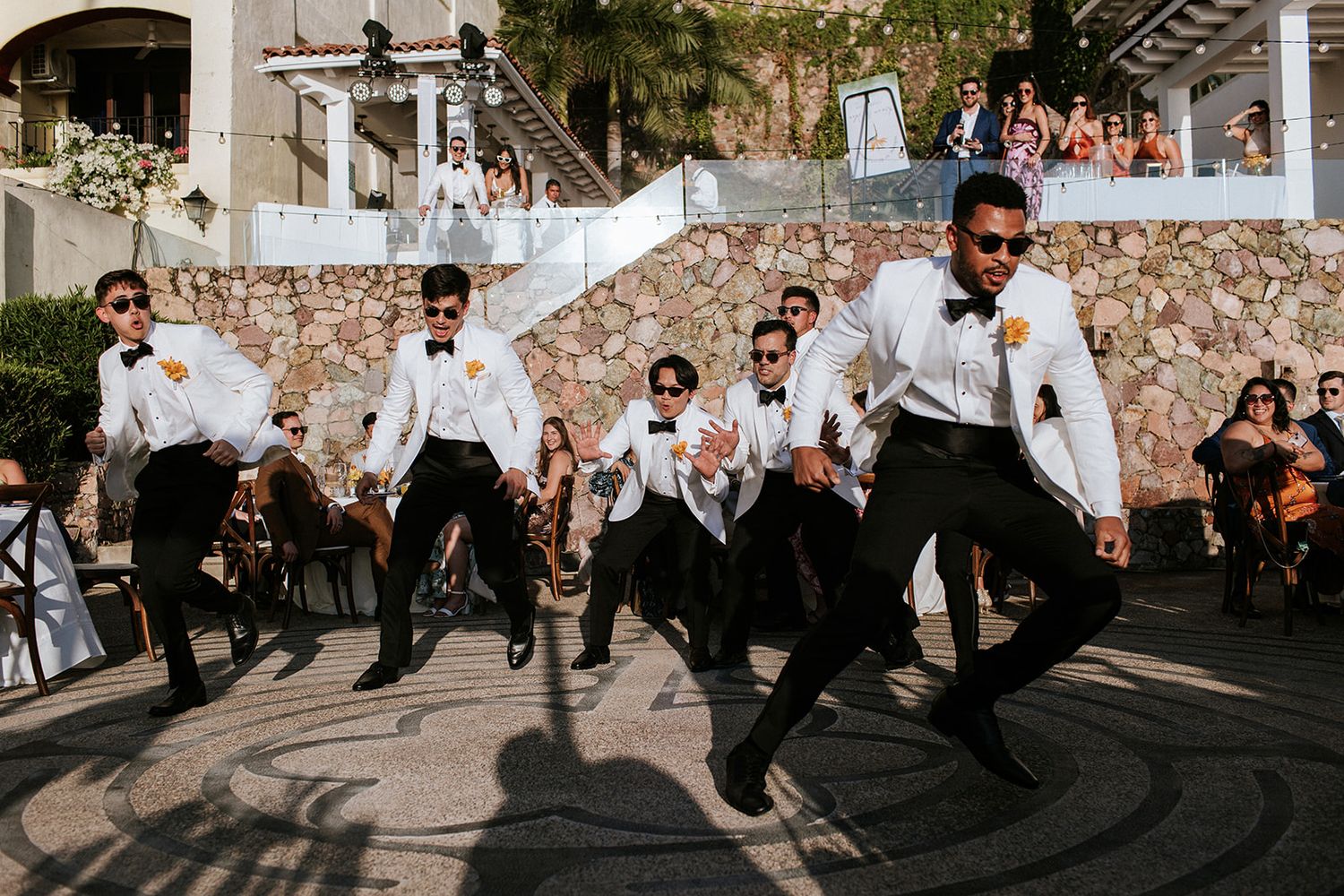
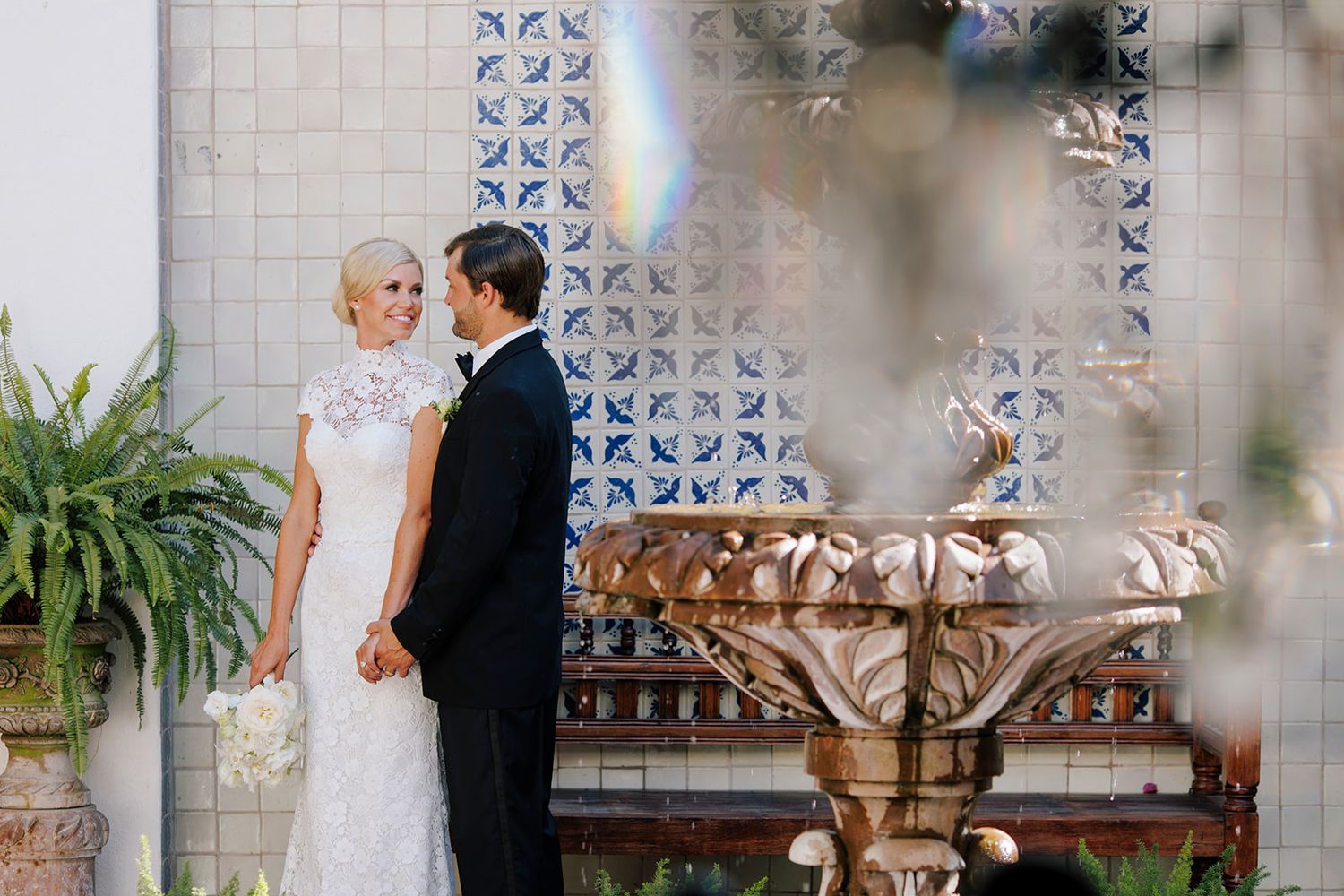
QUICK ANSWER
Resort: Best when you want accommodations, restaurants, event spaces and guest logistics concentrated in one property. Resorts generally reduce transportation and decision-making for destination guests.
Private Villa: Best when privacy, personalization and a residential atmosphere matter more than simplicity. Villas often require more outside production, rentals, staffing and transportation.
Boutique Hotel: Best for smaller celebrations that value character, personal service and a more intimate environment. Always confirm whether event areas remain shared with hotel guests.
Remote-access Venue: Best when the location itself is part of the experience. These venues can feel extraordinary, but transportation, vendor loading, weather and the return journey need to be treated as part of the wedding timeline.
My rule: Choose the experience first. Choose the property second.
WHAT THIS GUIDE
WILL HELP YOU DECIDE
Venue type: Which type of property actually fits your guest list, priorities and wedding style.
Guest experience: How privacy, walking distances, heat, transportation and weather affect the people attending your wedding.
Total cost: Which operational expenses may exist beyond the initial venue or wedding-package price.
Contract: What you should confirm in writing before signing.
Photography: How location, ceremony orientation, transitions and available light influence your photography timeline.
Weather: Which months are easier for outdoor events and what a real rain plan should include.
PHOTOGRAPHER TIP
Do not evaluate a venue only from its Instagram feed or main website gallery.
Ask to see the exact ceremony space, cocktail area, reception location and rain backup you would actually use.
A beach can look spectacular in photographs and still have:
little shade for guests;
heavy pedestrian traffic;
limited privacy;
difficult vendor access;
a long walk from guest rooms;
or an indoor backup that feels completely different from the outdoor venue you fell in love with.
The question is not only:
“Is this venue beautiful?”
The better question is:
“How will this venue actually work for 6–10 hours on our wedding day?”
Compare the Four Main Puerto Vallarta Wedding Venue Experiences
Resort Weddings
Resorts are usually the simplest option for couples bringing a large group to Mexico.
Guests can stay, eat, attend the ceremony and return to their rooms without arranging multiple transfers. Many properties also have dedicated wedding departments, existing banquet infrastructure and indoor spaces that can serve as weather backups.
Puerto Vallarta has resort wedding options ranging from large traditional hotels to luxury properties throughout the Hotel Zone, Marina Vallarta, the South Shore, Nuevo Vallarta and Punta de Mita.
For context, Marriott Puerto Vallarta publicly lists 14 event rooms and a largest event-space capacity of up to 700 guests, illustrating just how much operational infrastructure some larger resorts can offer.
Resort weddings work especially well when:
Guest convenience is the priority. Older relatives, families with children and guests unfamiliar with Mexico usually appreciate having everything in one place.
You have a room block. Keeping most guests on-site makes welcome events, the wedding itself and post-wedding gatherings easier to coordinate.
You want fewer independent vendors. Some resorts already provide food, beverages, furniture, staffing and basic production.
What couples often overlook
Privacy: “Beachfront” does not necessarily mean private. Ask whether other hotel guests can walk behind or near the ceremony.
Walking time: Measure the real route between getting ready, ceremony, cocktail hour and reception.
Vendor policies: Outside vendors may require fees, insurance, passes or overnight stays.
Rain capacity: Ask how many people can actually sit comfortably in the backup room using your intended reception layout.
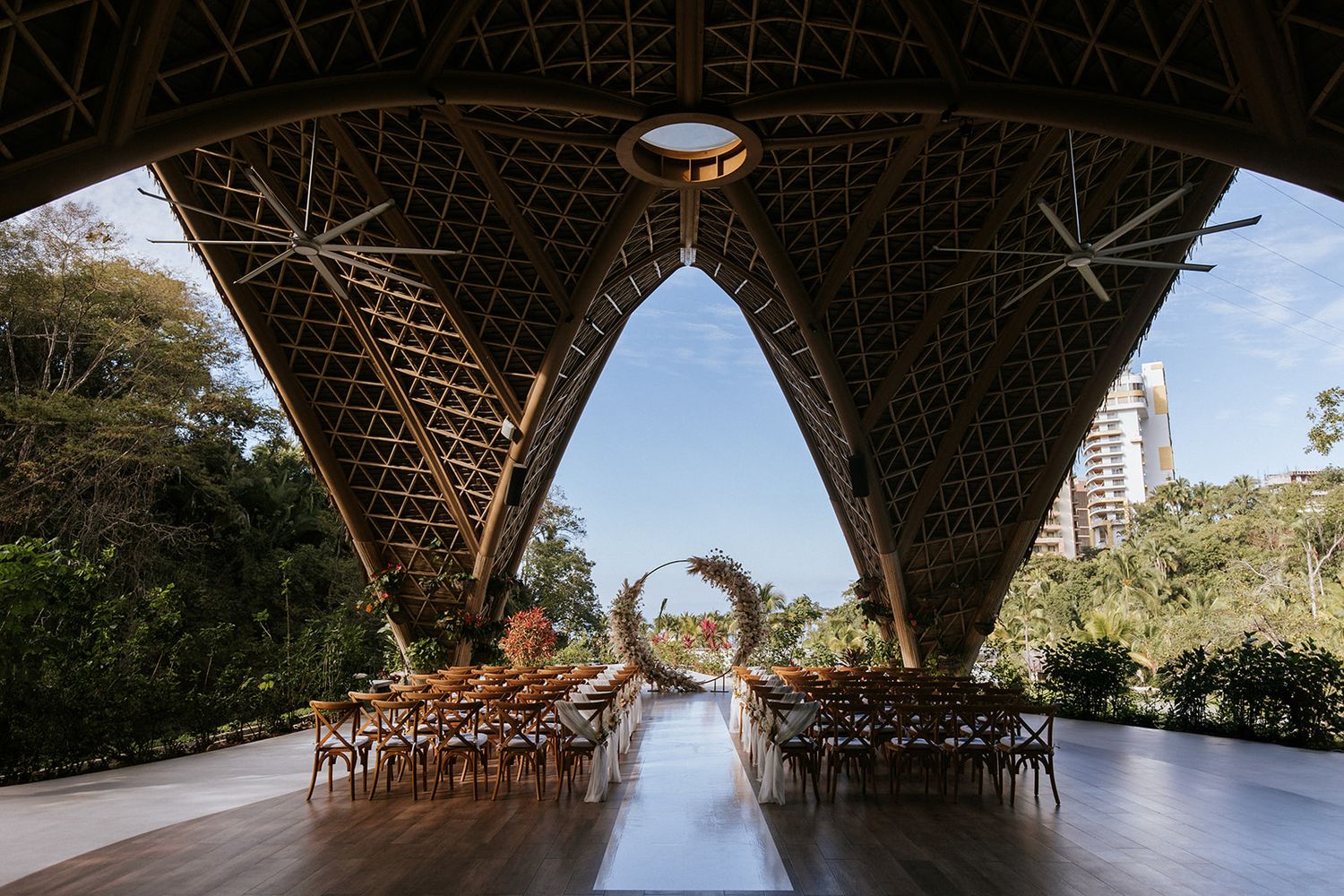
OUTSIDE-VENDOR FEES:
ASK BEFORE YOU FALL IN LOVE WITH THE VENUE
This deserves special attention because it can materially change your budget.
Outside-vendor policies are not standardized across Puerto Vallarta.
For example, Hard Rock Hotel Vallarta currently publishes specific third-party vendor conditions that include a $1,500 USD vendor fee per outside business/service provider, along with additional requirements in certain situations. That does not mean every Puerto Vallarta resort follows the same policy—it demonstrates why you need the current policy from the specific hotel in writing before signing.
Before booking, ask:
“If I hire my own photographer, videographer, content creator, DJ, makeup artist or florist, exactly what fee or access requirement applies to each one?”
Do not rely on what another couple paid two years ago. These policies change.
Private Villa Weddings
A private villa can create one of the most personal destination-wedding experiences in Puerto Vallarta.
Areas such as Conchas Chinas and the South Shore are particularly known for ocean-view villas, while luxury private-property options also extend toward Punta Mita and other parts of Riviera Nayarit.
A villa gives you something a large resort often cannot: control over the atmosphere.
There are no hotel guests walking through the reception. You can often build the event around the architecture of the property instead of adapting your wedding to a ballroom or predefined event package.
But that freedom creates another reality:
a villa is often a venue, not a complete wedding operation.
Depending on the property, you may need to account separately for:
- catering infrastructure;
- tables and chairs;
- tableware and linens;
- lighting;
- sound;
- generators or additional power;
- restrooms;
- transportation;
- valet or parking logistics;
- security;
- event staff;
- rain protection;
- setup and breakdown labor.
This is why comparing only the rental price of a villa against the wedding package of a resort can be misleading.
Recent couples planning Conchas Chinas villa weddings have also reported that minimum-night requirements and quotes can vary by season and booking route, reinforcing the need to compare the total stay + event production cost, not just the advertised venue price.
LOCAL INSIDER TIP
A villa's sleeping capacity is not its wedding capacity.
A property may sleep 16 or 20 people comfortably but potentially host many more—or significantly fewer—for an event depending on its terraces, access, catering area, structural limitations and neighborhood rules.
Before booking, ask where:
Catering will work.
Vendors will load equipment.
Guests will arrive and wait.
The ceremony will move if it rains.
Transportation vehicles will turn around or park.
Music must stop.
Those questions tell you far more about the real wedding experience than the number of bedrooms.
Boutique Hotel Weddings
Boutique hotels can be an excellent middle ground between a resort and a private villa.
You still benefit from hospitality infrastructure—rooms, staff, food service and housekeeping—but the property may feel considerably more intimate.
They tend to work particularly well for smaller or medium-size weddings where couples want the guests to feel like they have taken over a special place without managing every logistical detail themselves.
What to confirm
Exclusivity: Is the hotel fully bought out, partially bought out or operating normally during the wedding?
Shared spaces: Will other guests use the pool, restaurant or terrace during your event?
Noise restrictions: What time must amplified music end?
Weather backup: Is there a legitimate indoor alternative or simply another outdoor covered area?
Capacity: Do not ask only how many people “fit.” Ask how many can dine comfortably with the layout you want.
Remote-Access Wedding Venues
Some Puerto Vallarta weddings are memorable precisely because reaching the venue feels like leaving the city behind.
That experience can be incredible—but access becomes part of the wedding.
For a remote or boat-access celebration, your timeline should account for much more than ceremony and reception time.
You need to consider
Guest departure time: When does transportation actually leave?
Late guests: Can someone who misses the departure still reach the venue?
Vendor load-in: Equipment often travels earlier than guests.
Weather: Water or road conditions can affect transportation.
Mobility: How will elderly guests or guests with disabilities navigate docks, stairs, sand or uneven paths?
Return logistics: What time does the final transportation leave, and what happens if the event runs late?
A remote venue may require guests to give up some flexibility in exchange for privacy and atmosphere.
That is neither good nor bad. It simply needs to match the experience you want.
What Most Puerto Vallarta Venue Guides Don't Tell You
Venue brochures describe spaces.
Wedding days involve people, heat, wind, traffic, elevators, vendor equipment, formal clothing, families and timelines.
That is where the real differences appear.
1. Published Sunset Time Is Not Your Photography Timeline
A weather app may show sunset at a specific time.
That does not mean you have perfect portrait light until that exact minute.
Buildings, palms, architecture, cliffs, ceremony orientation and the specific position within a property can change how long direct light remains usable.
For that reason, I build portrait timing around the actual venue and season, not simply the sunset time listed online.
2. A Five-Minute Walk Rarely Takes Five Minutes During a Wedding
During a site visit, a coordinator may walk from the ceremony terrace to the reception in five minutes.
During the wedding, add:
80 guests;
grandparents;
high heels;
elevators;
people stopping to congratulate you;
drinks;
photographs;
children;
and the wedding party.
That same transition can easily become 15–20 minutes.
Those transitions are often where wedding timelines quietly lose time.
3. The Rain Plan Changes More Than the Background
A rain backup can change:
Aisle length.
Lighting quality.
Sound.
Decor placement.
Guest capacity.
Temperature and ventilation.
Photography angles.
The time required to reset the space.
When a venue says, “We have an indoor backup,” my next question is:
“Can we see it set for a wedding with approximately our guest count?”
4. Oceanfront Does Not Automatically Mean Private
Mexico's beaches are generally public-access spaces, so couples should not assume that an oceanfront ceremony automatically gives them complete control over who may be nearby.
Hotel security and venue layout can significantly reduce distractions, but “beach wedding” and “private beach wedding” should not be treated as interchangeable terms.
That is worth discussing directly with the venue before signing.
The Best Months for an Outdoor Wedding
in Puerto Vallarta
This is one area where couples deserve a direct answer.
November through April: the easiest overall window
For most couples prioritizing outdoor comfort and low rain risk, November through April is the strongest period.
Puerto Vallarta's official tourism guidance describes November through May as the dry season and the best wedding season, with the rainy season running approximately June through October.
Climate averages make the difference especially clear.
Average rainfall is approximately:
- March: 6 mm
- April: 1 mm
- May: 8 mm
- July: 136 mm
- August: 167 mm
- September: 144 mm
- October: 114 mm
Average relative humidity is lowest around March and April at roughly 60%, compared with around 84% in August and September.
My practical breakdown
November: Excellent transition into dry season. Landscapes can still retain some of the lush green appearance left by summer rains.
December–February: Very comfortable weather and extremely popular for destination weddings. Evenings can feel pleasantly cooler.
March–April: In my opinion, one of the safest combinations of low rainfall, lower humidity and comfortable outdoor conditions.
May: Still viable and historically quite dry, but daytime heat becomes increasingly important when setting ceremony times.
June: Rainy season begins and humidity rises noticeably.
July–September: Expect heat, humidity and a significantly higher probability of rain. Outdoor weddings absolutely happen, but the weather backup becomes part of the main plan—not a theoretical backup.
October: Transitional. It can deliver beautiful weddings, but I would still want a strong weather plan.
The Eastern Pacific hurricane season officially runs May 15 through November 30, with climatological activity highest across much of late June through early October and a peak around late August. That does not mean a storm will affect your wedding; it does mean summer and early fall plans deserve more robust contingencies.
Common Mistakes When Choosing a Puerto Vallarta Wedding Venue
Choosing by ocean view alone.
Your guests will experience the venue for hours. The view is only one part of that experience.
Comparing package prices instead of total cost.
A $10,000 venue requiring $20,000 in outside infrastructure may not actually cost less than a $20,000 package that already includes it.
Assuming the beach is private.
Ask specifically how the ceremony area is controlled.
Accepting “we have a rain plan” without seeing it.
Ask for photographs or video of the backup space set for an actual wedding.
Ignoring vendor access.
Loading restrictions can affect florals, lighting, entertainment, photo/video equipment and setup times.
Planning the ceremony solely around sunset.
Useful photographic light and published sunset are not always the same thing.
Ignoring the return journey.
This is particularly important for villas and remote venues.
Eight Questions I Would Ask Before Signing a
Venue Contract
1. Are our event spaces actually private?
Ask separately about:
- ceremony;
- cocktail hour;
- reception;
- beach;
- pool;
- restaurant;
- getting-ready areas.
2. What exactly happens if it rains?
Ask to see the specific backup location.
Then ask:
How many seated guests fit?
Is it air-conditioned or naturally ventilated?
How quickly can the room be converted?
Does moving indoors change the décor plan?
3. What outside-vendor policies apply?
Ask about:
- photographer;
- videographer;
- wedding content creator;
- DJ;
- hair and makeup;
- florist;
- entertainment;
- external rentals.
Get the policy in writing.
4. When can vendors begin setup?
A complicated installation arriving at 3:00 p.m. for a 5:00 p.m. ceremony is very different from a team being allowed access at 9:00 a.m.
5. How long do transitions really take?
Walk them yourself if possible.
Getting ready → ceremony.
Ceremony → cocktails.
Cocktails → reception.
Reception → transportation.
6. Are there restrictions on sound, candles, drones or lighting?
Do not assume.
These rules can affect the design and the photography of the event.
7. Which fees can change before the wedding?
Ask whether vendor fees, outside-guest passes, corkage, service charges or other policies can change after the contract is signed.
8. Who is actually running the venue on our wedding day?
The salesperson you communicate with now may not be the person managing operations during the event.
Know who your wedding planner and vendors will coordinate with on the day.
Resort vs. Private Villa: Which Is Better?
Neither is universally better.
They solve different problems.
Choose a resort if:
You want simplicity.
You have guests of different ages and mobility levels.
You prefer centralized accommodations.
You want food, drinks, staff and event infrastructure already available.
You do not want to coordinate extensive outside production.
Choose a private villa if:
Privacy and atmosphere matter more than convenience.
You want greater control over design and schedule.
You prefer a more residential, private experience.
You are comfortable building more of the wedding operation from the ground up.
For couples planning a multi-day destination wedding, another option is to house guests at a resort or hotel while hosting the wedding itself at a villa. That can offer privacy without requiring every guest to stay at the event property.
Frequently Asked Questions
What type of venue is best for a destination wedding in Puerto Vallarta?
There is no single best category.
For couples prioritizing guest convenience and centralized accommodations, I would normally start with resorts.
For couples prioritizing privacy and design freedom, I would explore villas.
For smaller weddings wanting character plus hotel service, boutique properties can offer an excellent balance.
For couples who want the venue itself to feel like an adventure, remote-access locations can be extraordinary—but only if the transportation plan is equally strong.
How far in advance should we book a Puerto Vallarta wedding venue?
For a Saturday between November and April, I recommend beginning serious venue research approximately 12–18 months in advance, especially if you have a specific property or date in mind.
That does not mean every venue will be unavailable inside that window. It simply gives you much better flexibility with the venue, accommodations and vendors you actually want.
For highly specific dates—holiday weekends, symbolic dates or events requiring a large room block—I would begin even earlier.
Do Puerto Vallarta wedding venues allow outside photographers?
Many do, but the conditions vary dramatically.
Some simply require registration. Others may require vendor passes, insurance, minimum hotel stays or outside-vendor fees.
Hard Rock Vallarta, for example, currently publishes specific requirements and a $1,500 USD third-party vendor fee per outside business/service provider. Other properties use entirely different rules.
Always request the current written policy from your venue before hiring—or rejecting—an outside photographer.
What months are best for an outdoor wedding in Puerto Vallarta?
For the easiest combination of low rainfall and comfortable humidity, I would prioritize November through April.
May can also work very well but becomes hotter.
June through October is the rainy season, with July, August and September requiring the strongest weather planning. August and September are historically the most humid months, while August has the highest average rainfall in the climate dataset cited here.
Is March or April a good month for a Puerto Vallarta wedding?
Yes.
From a weather perspective, March and April are particularly attractive months. Historical averages show roughly 6 mm of rainfall in March and only 1 mm in April, with average relative humidity around 60% in both months.
The tradeoff is that by April the surrounding landscape may look less intensely green than immediately after rainy season.
Can you get married in Puerto Vallarta during summer?
Absolutely.
But I would plan the wedding differently.
For June through September:
Do not schedule guests unnecessarily early in direct afternoon sun.
Prioritize shade and ventilation.
Assume humidity will affect comfort.
Have a rain backup you would genuinely be happy to use.
Protect extra time in the timeline for weather adjustments.
Summer weddings can still look beautiful—the planning simply needs to acknowledge the season instead of pretending the weather behaves like February.
How many venues should we shortlist?
Usually two or three serious candidates.
Once you have ten venues on the list, couples often begin comparing photographs instead of actual wedding logistics.
Apply the same criteria to each finalist:
- privacy;
- guest experience;
- total cost;
- weather backup;
- outside-vendor rules;
- transportation;
- ceremony light;
- reception logistics.
The strongest choice normally becomes much clearer.
What should we ask about the rain plan?
Do not ask only:
“Do you have a rain plan?”
Ask:
“Show me exactly where our wedding would happen if it rains.”
Then verify:
- seated capacity;
- ventilation or air conditioning;
- lighting;
- sound;
- furniture;
- décor implications;
- ceremony aisle;
- changeover time;
- and who makes the final weather decision.
A room with a roof is not automatically a good rain plan.
KEY TAKEAWAYS
Choose the guest experience before choosing the architecture.
November through April offers the easiest overall conditions for outdoor weddings.
May can still be excellent, but heat matters more.
June through October requires a legitimate weather strategy.
Never assume beach means private.
Ask for outside-vendor policies in writing.
Compare total wedding operations—not simply venue rental prices.
Walk the real transitions before finalizing the photography timeline.
See the rain backup before signing.
And above all:
Choose a venue that makes the wedding easier to experience, not just easier to photograph.
OUR RECOMMENDATION
If two venues feel equally beautiful, I would choose the one with the clearer operational plan.
The weddings that feel most relaxed usually have the same things in common: fewer unnecessary transitions, a weather backup the couple genuinely likes, enough time for vendors to work properly and an event layout that prioritizes the guests as much as the view.
Photography benefits from all of those decisions—but more importantly, you get to spend more of your wedding day actually enjoying it.

MEET JOSÉ CARRILLO
That local experience matters before the wedding day. José helps couples understand ceremony light, venue access, weather alternatives and the transitions that shape both the guest experience and the photography timeline.